
 English
 Español
 Deutsch
Pantimedias opacas con aspecto transparente y diseño en V

Nuestros productos
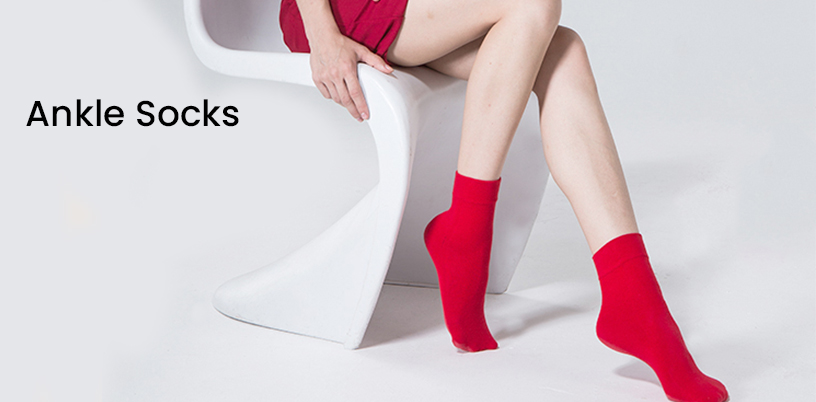
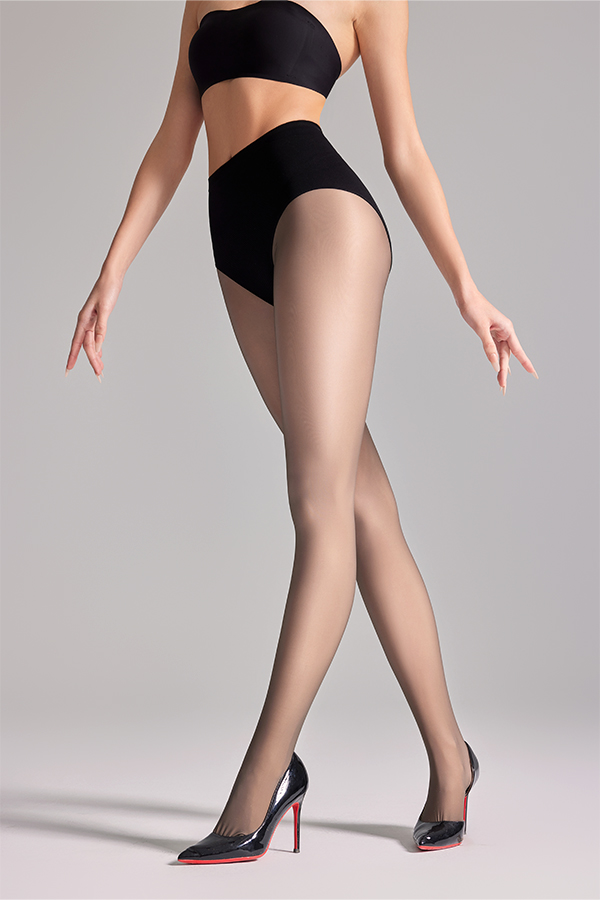
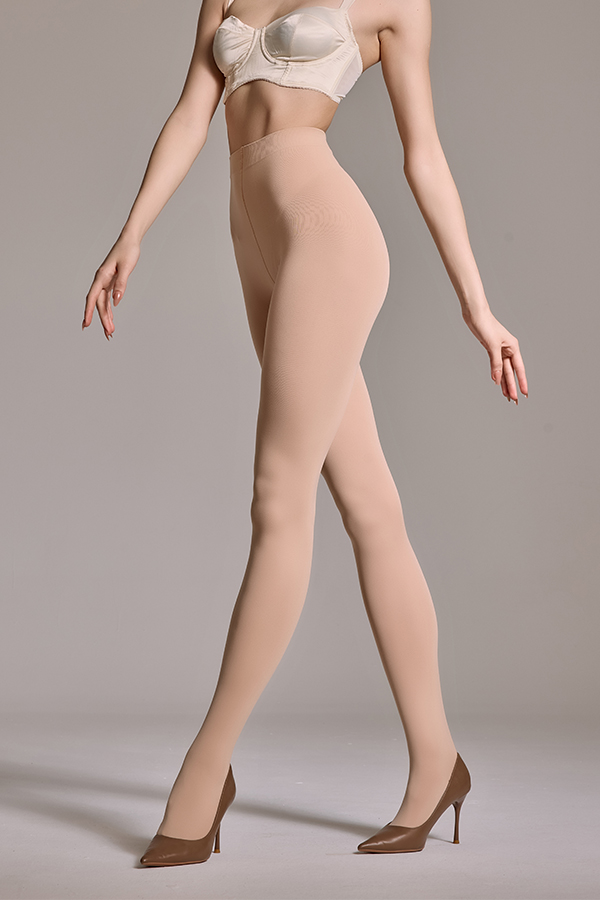
A sheer illusion effect in hosiery depends heavily on the relationship between fabric transparency and skin-tone appearance. A small difference in yarn density or color can change how the finished tights look under different lighting conditions. For B2B buyers sourcing Sheer Illusion Tights, the product specification therefore needs to cover more than size and material. Yarn selection, denier, dyeing, color matching, stretch, and finishing all have a role in producing a consistent appearance across a wholesale batch.
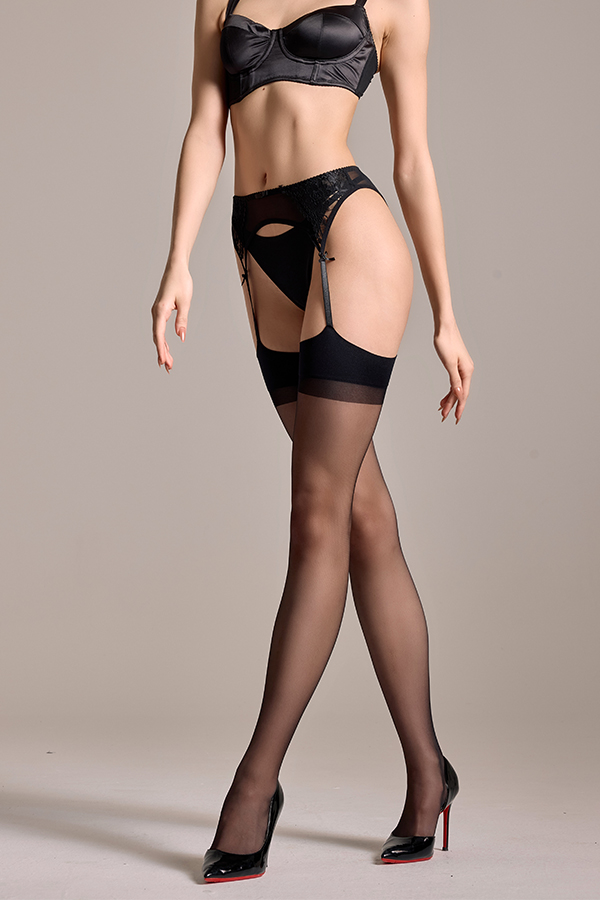
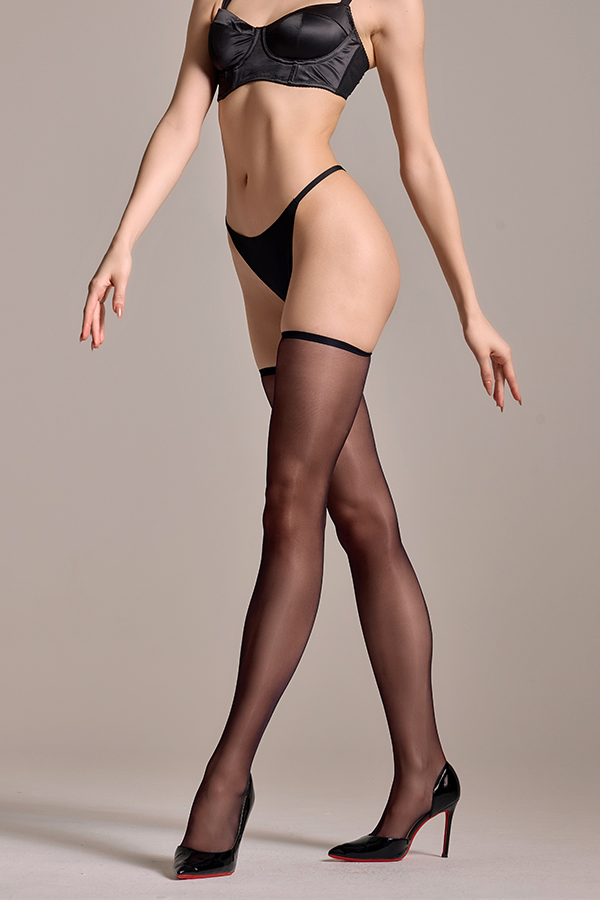
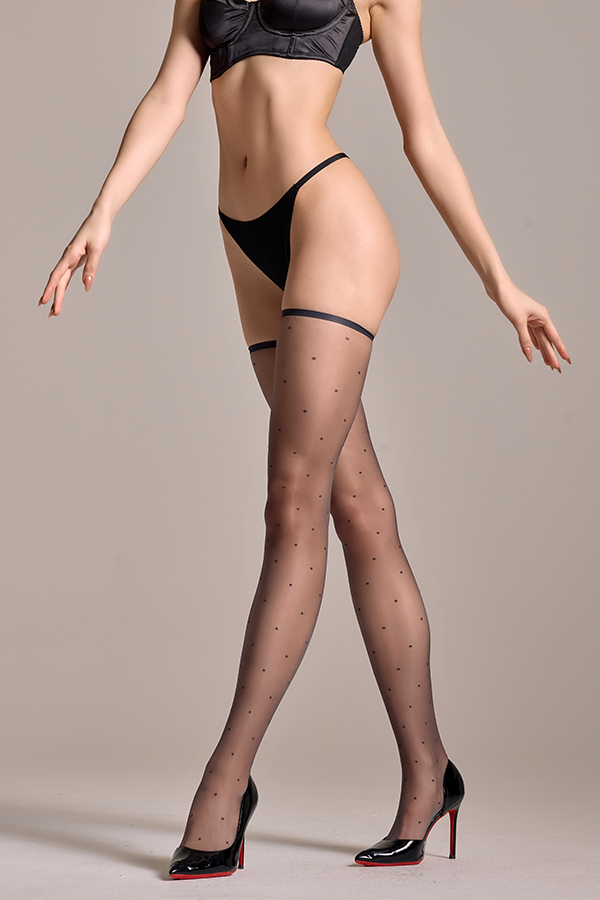
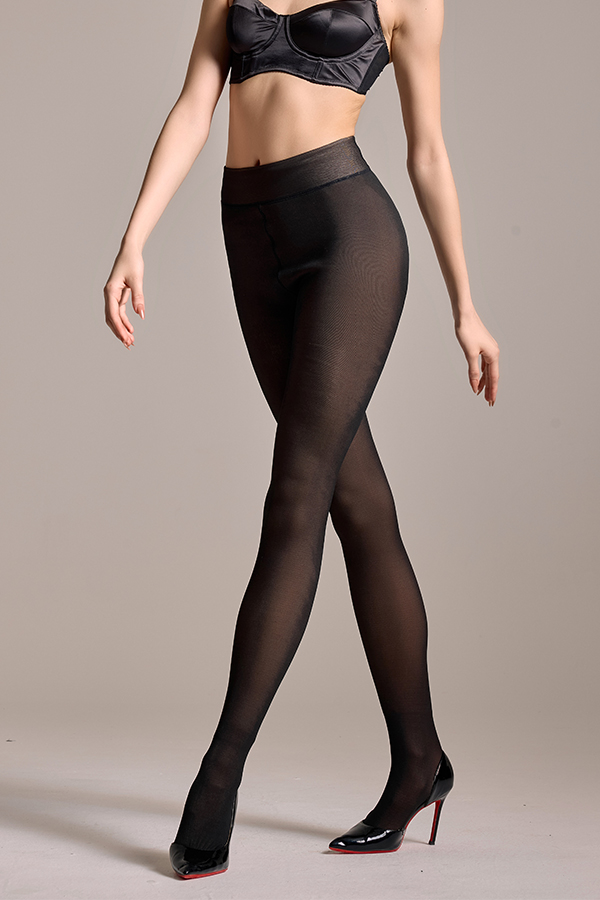
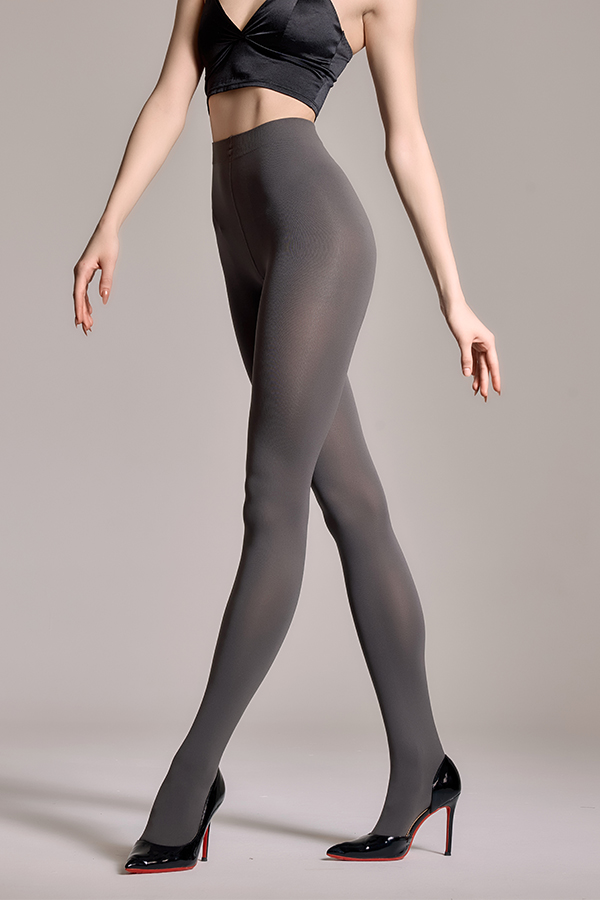
The visual effect of Sheer Illusion Tights comes from a lightweight knitted structure that creates a relatively transparent appearance when worn. Yarn thickness and knitting density influence how much of the underlying skin tone remains visually apparent through the fabric.
For manufacturers, maintaining consistent knitting parameters is important because changes in fabric formation can affect transparency and surface appearance. Yarn tension, machine settings, and knitting density need to follow the approved product specification during production.
The desired appearance should therefore be established through a physical sample or defined technical requirements before bulk manufacturing. This gives the factory a reference for evaluating subsequent production lots.

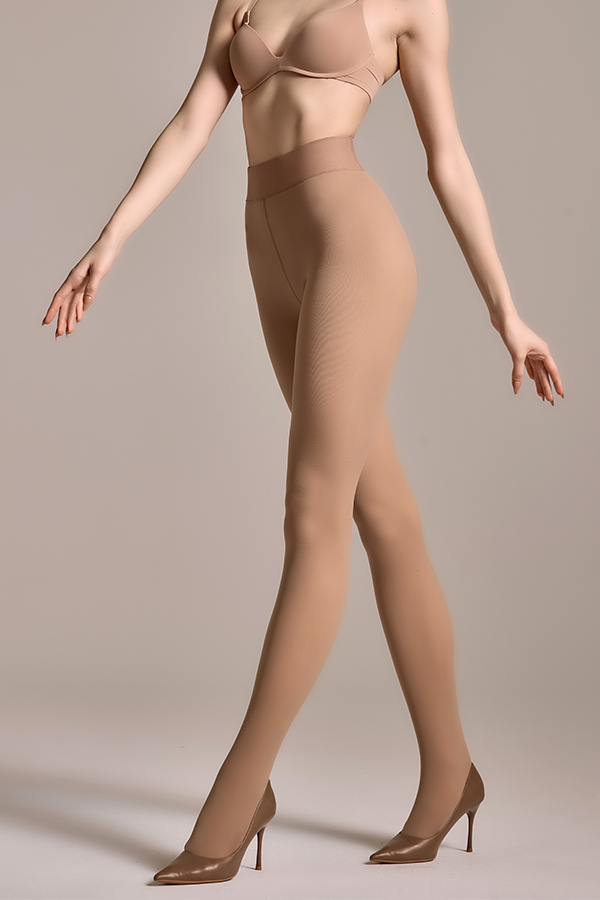
Unlike opaque hosiery, the apparent color of Sheer Illusion Tights is influenced by both the dyed yarn and the wearer's skin tone. A color that looks slightly different on a fabric swatch can appear differently when stretched over the leg.
This makes color selection an important part of B2B product development. Buyers may request several nude shades for different markets, along with black or other colors for particular product ranges. Each shade should have an approved color reference before bulk dyeing.
The factory can maintain dyeing records and production references for repeat orders. Consistent material preparation and dyeing procedures help reduce unnecessary variation between batches.
The lightweight construction of Sheer Illusion Tights requires a yarn specification that provides the intended combination of transparency, stretch, and recovery. Nylon and elastic yarns can be combined in different proportions depending on the product design.
The selected yarn should correspond with the required denier and finished fabric characteristics. Increasing or reducing yarn specifications without reviewing the complete construction can change the visual effect as well as the physical properties of the garment.
For wholesale procurement, buyers can confirm fiber composition, denier, color, size range, waistband construction, toe construction, and packaging requirements before production. A complete specification gives the factory a consistent reference for material preparation and knitting.
|
Specification |
Why It Matters |
Production Reference |
|
Denier |
Influences transparency and fabric weight |
Yarn and knitting setup |
|
Fiber content |
Affects stretch and fabric characteristics |
Incoming material inspection |
|
Nude shade |
Influences the final illusion appearance |
Approved color sample |
|
Size |
Determines finished garment dimensions |
Shaping and measurement checks |
|
Stretch |
Affects fit and fabric recovery |
Yarn and finished-product inspection |
|
Waistband |
Determines upper-body construction |
Knitting and finishing |
|
Toe construction |
Affects the finished foot section |
Knitting and finishing |
|
Packaging |
Keeps wholesale units identifiable |
Final packing inspection |
For Sheer Illusion Tights, these details are particularly relevant when one purchase order includes several colors or sizes. Clear identification helps prevent different specifications from being mixed during production and packing.
Wholesale and private-label buyers may require customized colors, size ranges, packaging, labels, or waistband configurations. A manufacturer can prepare different product specifications within the same general hosiery category according to the buyer's requirements.
For Sheer Illusion Tights, color customization may require additional attention because the finished appearance depends on the relationship between fabric transparency and the selected shade. Buyers can provide physical color references or approved samples when developing a new shade.
Once a sample has been approved, the factory can record the relevant material, color, size, and construction information for bulk production. This is also useful for repeat orders where the buyer expects the new batch to remain consistent with a previous shipment.
Inspection of Sheer Illusion Tights can include knitted surface appearance, color consistency, dimensions, waistband construction, toe condition, elasticity, and visible defects. Because sheer fabric can make irregularities easier to notice, visual inspection remains an important part of finished-product quality control.
Inspection can be carried out during production and again before packing. Finished garments can be separated according to size and color before entering individual packaging and export cartons.
For overseas B2B orders, packaging identification should correspond with the approved purchase order. Product codes, colors, sizes, quantities, and carton markings can be checked before shipment.
For buyers developing Sheer Illusion Tights for wholesale distribution, the key production reference is a clearly approved specification covering yarn, denier, color, dimensions, construction, and packaging. This gives the manufacturer a defined basis for maintaining consistency from knitting and dyeing through final inspection and shipment.